Category Archives: eBay

10 Tips for Scoring Action Figures on eBay

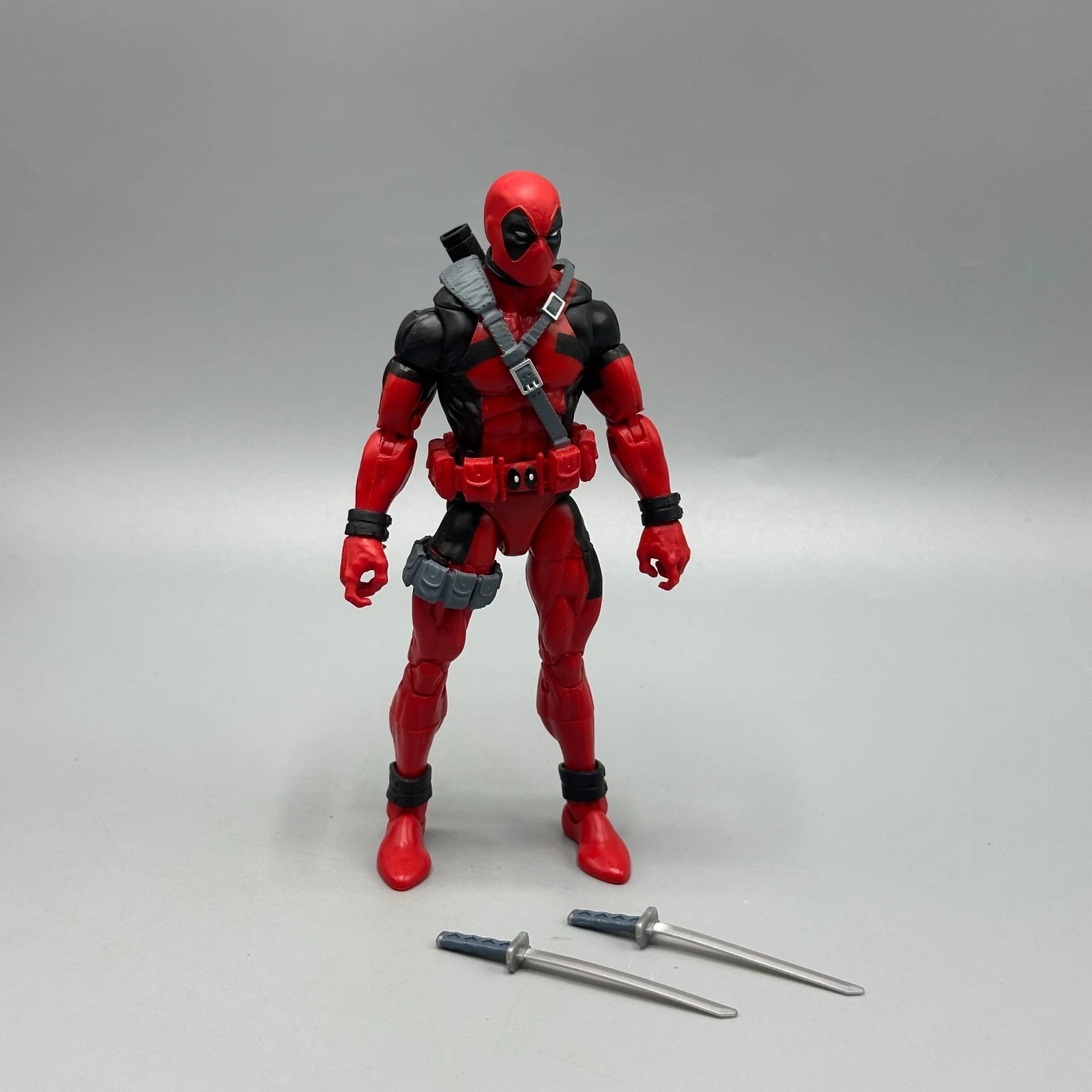
When you watch a video showcasing a YouTuber’s vast Marvel Legends collection, it sure looks easy. They just bought a ton of stuff and tossed it on shelves, right? The truth is, getting the figures you want rather than what’s readily available is more challenging than it seems.

Action figure lines like GI Joe Classified and Transformers Studio Series follow disciplined, wave-based release structures. In theory, that should make collecting easier. In reality? Life gets in the way. Figures drop during busy work weeks, sell out quickly, or feel skippable. Then, a few months later, when reviews roll in and videos pop up on social media, suddenly that “optional” release becomes a must-have.

That’s where eBay shines. For collectors who missed preorders, passed initially, or returned to a line later, eBay is often the best aftermarket option. Sometimes your wallet takes a hit for it, but some of the figures you missed on release can be found at reasonable prices if you know how to shop smart.

Whether buying or selling, eBay rewards the skill of its users. The key is separating the best listings from costly mistakes. The tips below will help you do exactly that.
1. Examine the Photos Carefully

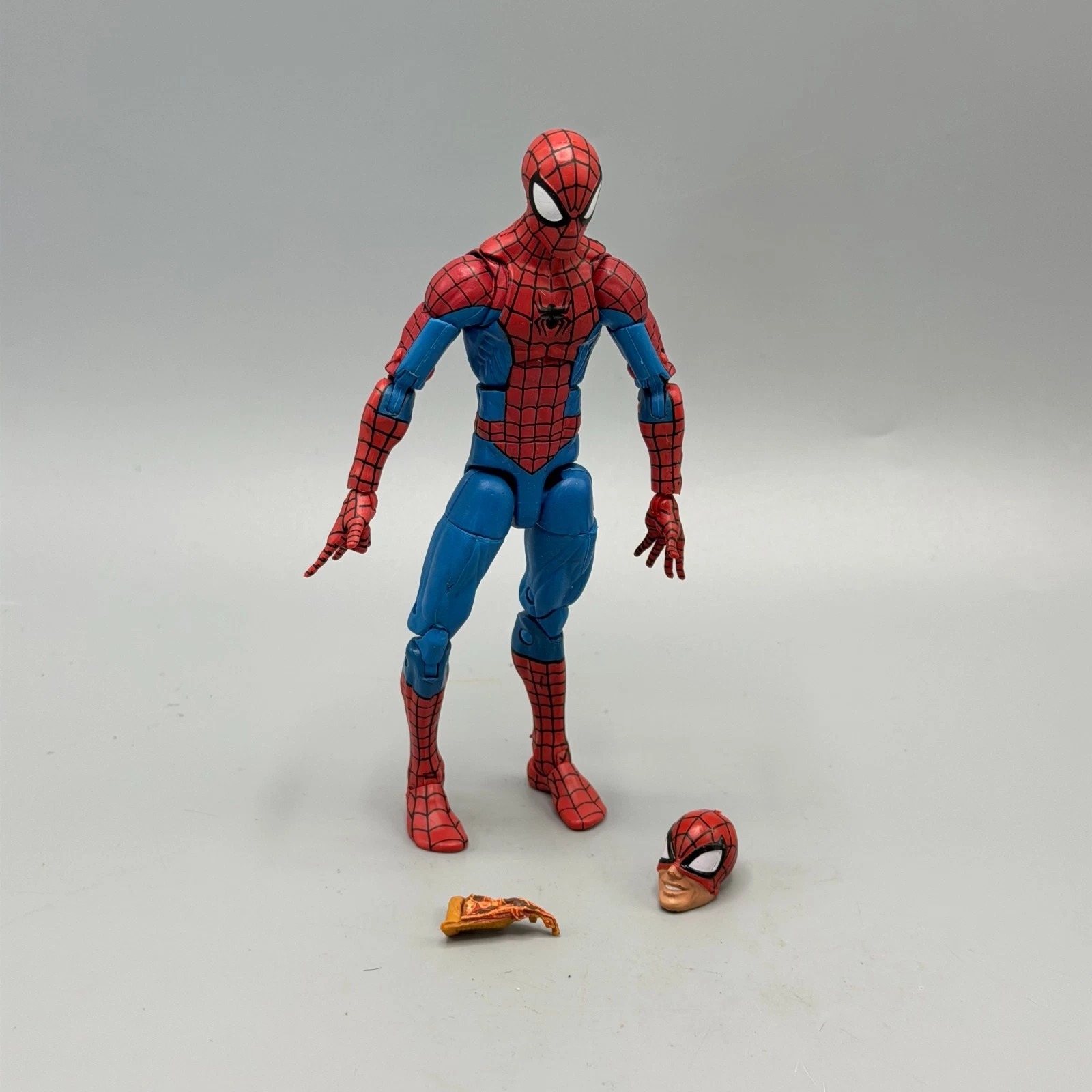
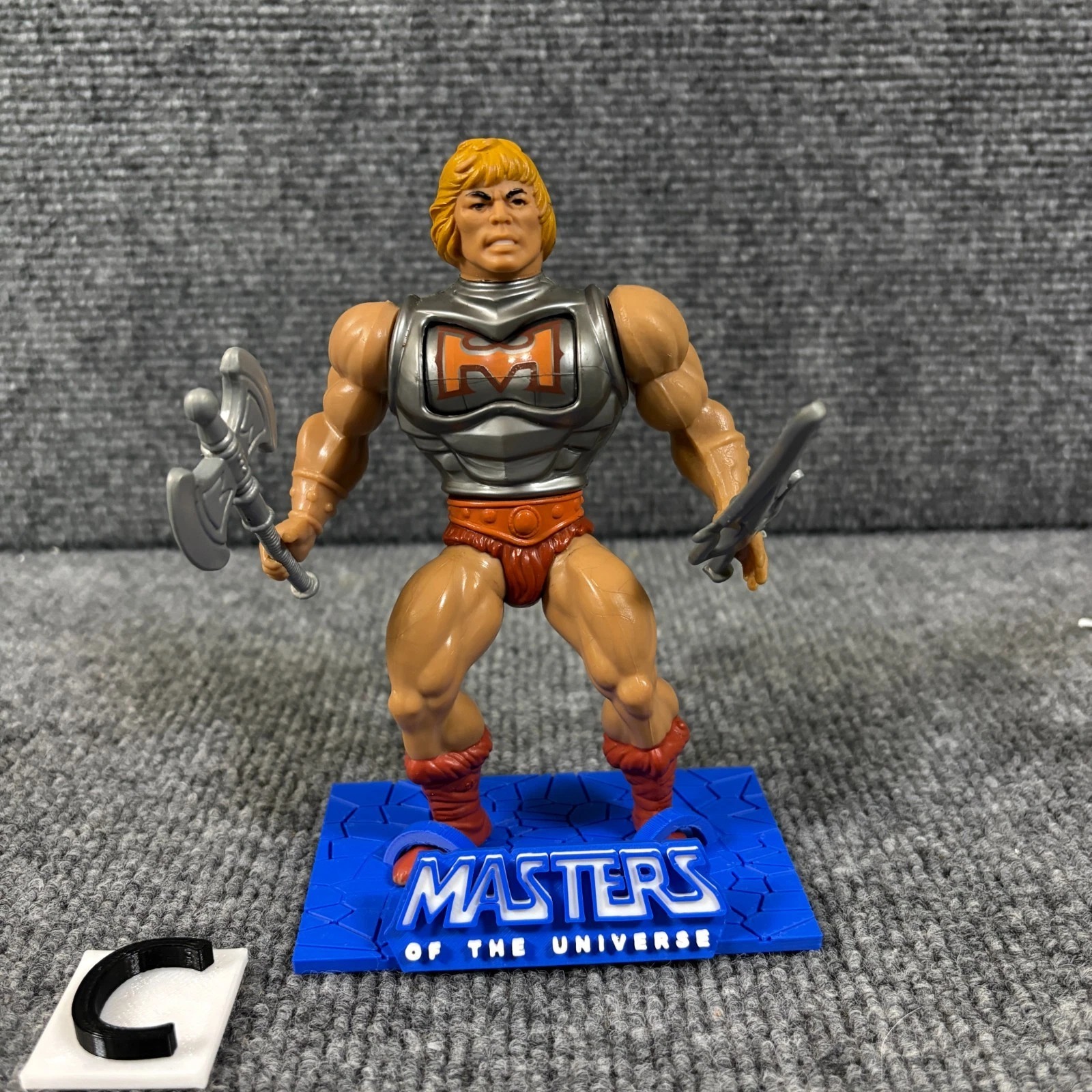
Every photo tells a story, and eBay listings are no exception. In fact, photos tell you far more than the description ever will. Listings that rely solely on stock photos are usually best avoided, as they don’t show the actual condition of the figure you’ll receive. Scratches, yellowing, crushed packaging, or missing accessories can all be hidden behind official images.

If a stock-photo listing is still appealing due to price, seller feedback, or rarity, don’t hesitate to message the seller and ask for real photos. A trustworthy seller will usually respond quickly and will have a healthy attitude about supplying potential customers with more information. The response itself tells you a lot about who you’re dealing with.

When it comes to collectible figures, even if a figure is unopened in the box, a solid listing should show you the actual product. A box that sat in storage for a few years might not look as new as mint in box collectors are hoping.
2. Terms You Should Know

Sellers of collectibles love their acronyms. There are only so many characters they can put in the listing title, and these terms also allow sellers to reach more buyers who are searching for them.

When you get your head around all the shorthand as a buyer, you can get to the items that match your preferences more effectively.

Common terms include:

  • MISB – Mint in Sealed Box
  • MIB – Mint in Box (opened but complete)
  • Loose – No packaging, figure only
  • Complete – All original accessories included
  • As-is – No guarantees; buyer beware

You’ll also see phrases like “displayed only,” “adult owned,” or “smoke-free home” in descriptions. These aren’t guarantees, but they do provide clues. Always assume nothing unless it’s clearly stated, and it’s ideally supported by what you see in photos.
3. Experiment with Search Terms

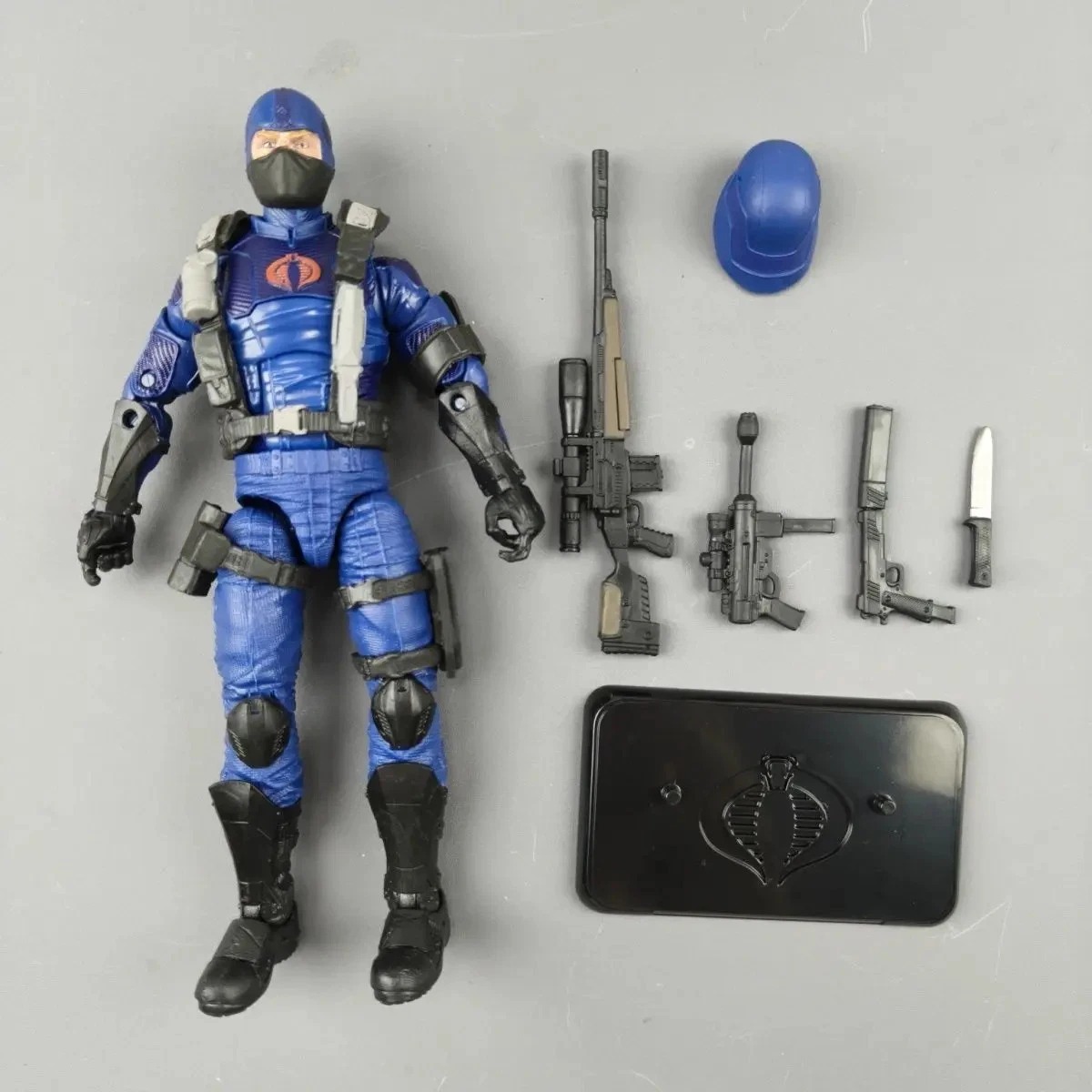
One of the easiest ways to find better deals is simply searching differently. Many sellers aren’t hardcore collectors and may not use the “official” name of a figure. A listing titled “Transformers 86 Movie Constructicon” might sell for less than one labeled “Studio Series 86 Scrapper MISB.”

Try variations:

  • Line name vs. character name
  • Abbreviations (SS86, GIJC, TF)
  • Misspellings and incomplete titles

Searching for misspellings and typos is one of the best ways to uncover hidden gems. This technique allows you to find listings with less competition, and fewer bidders usually means better prices.

Want to test it out for yourself with a tool that automatically generates common typos? Search for figures with TypoHound.

4. Understand the Seller, Not Just the Item

You’ll inevitably come across what looks like the perfect deal and then notice that the seller’s feedback score has got your Spidey-sense tingling.

When it comes to feedback scores, maintain high standards. Generally, it’s a good idea to only consider figures from sellers with a feedback score above 99%.

If the seller is new and their feedback comments look legit and are generally excellent, you might want to relax your rule a bit. Sometimes, new sellers get bombed with negative feedback early on, which is more a case of bad luck than a true reflection of their merit.

Some would argue that context matters more than a high feedback score. Look at:

  • Recent feedback (not just lifetime stats)
  • Whether the seller regularly sells collectibles
  • How they respond to neutral or negative feedback

A seller who clearly understands action figures is more likely to pack items properly, describe condition accurately, and handle issues professionally.
5. Check the Contents of the Package

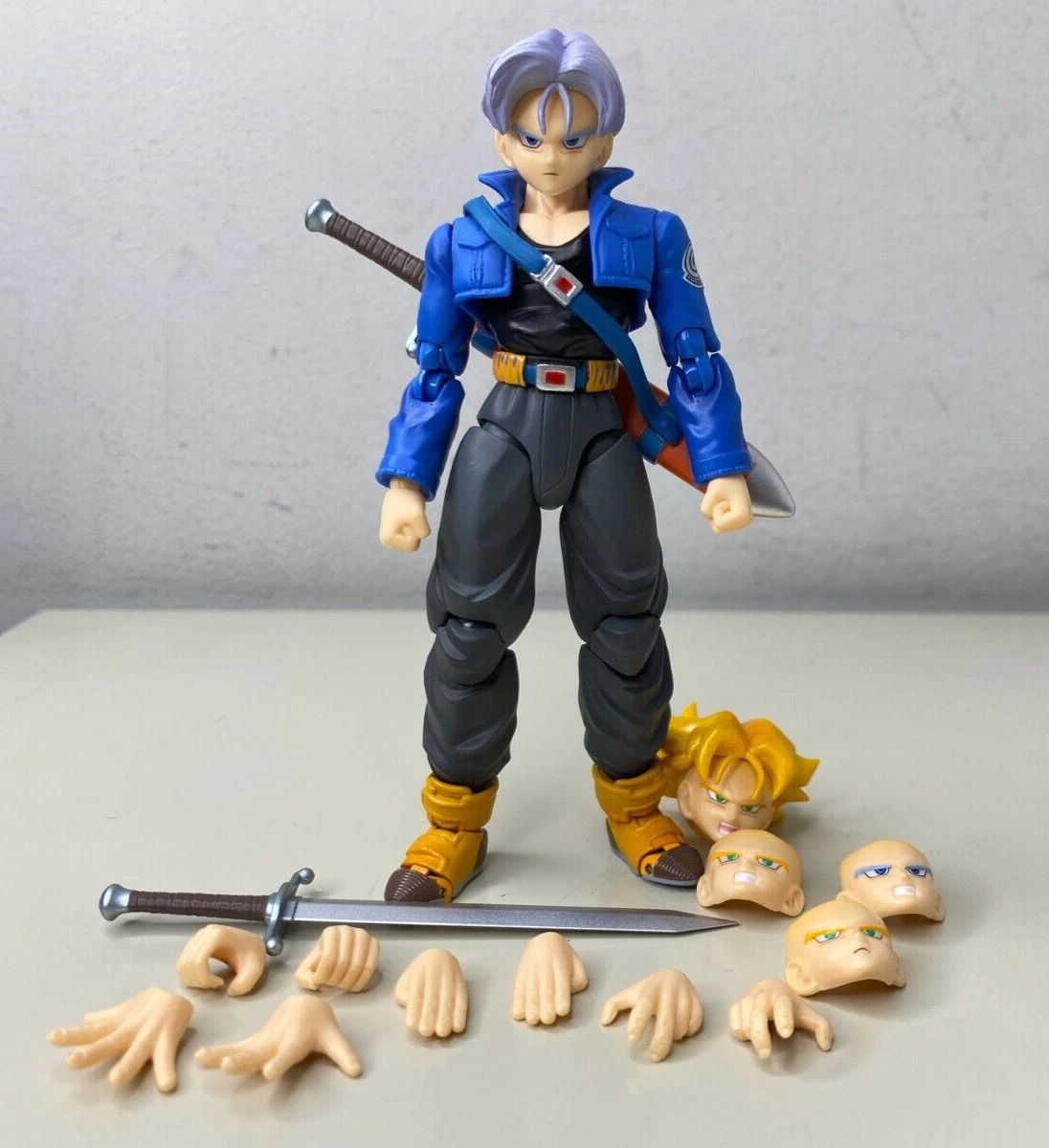
Modern figures are accessory-heavy. Alternate hands, weapons, effects parts, build-a-figure components—it adds up quickly. Before buying, confirm that the contents shown or described match what originally came with the figure.

Many accessories are quite small and easy to lose, and in some cases, someone cherry-picked an accessory for their own collection.

When the figure arrives, take a moment to inspect and even smell it. Some used figures carry musty odors or cigarette smoke, which can be difficult to remove. This is where listings that offer returns provide real peace of mind. Not all issues show up in photos.
6. Compare Sold Listings, Not Asking Prices

Asking prices can be wildly optimistic. To understand what a figure is actually worth, filter by sold listings. This shows real transaction prices and helps you spot trends. Get a feel for whether a figure is cooling off, holding steady, or quietly climbing.

Another handy site to check is Action Figure 411. It’s essentially a price guide that will tell you the average price for a figure on eBay, whether it’s an auction or “Buy It Now” listing.

A bit of quick research can prevent overpaying and help you recognize when a “Buy It Now” price is genuinely fair.
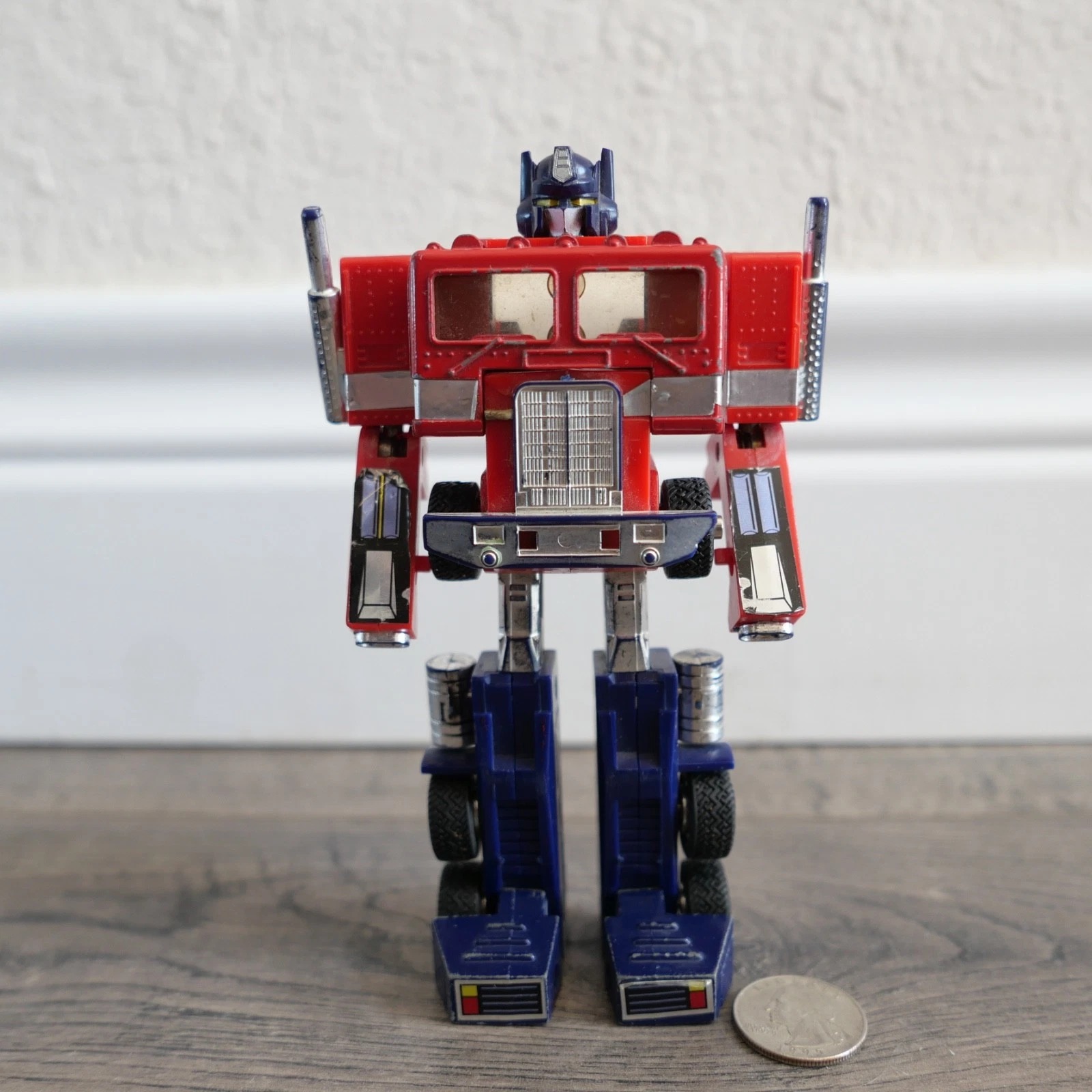
7. Don’t Sleep on Auctions (But Set Limits)

Auctions can still be goldmines, especially for loose figures or listings posted with minimal effort. That said, auction excitement is real. It can get dangerous when you really want a figure.

Decide your maximum price before bidding, and stick to it. If you’re outbid, walk away. Remember that you didn’t miss out on the figure, but rather, just a listing. Another one will appear eventually, and patience is one of a collector’s most underrated skills.
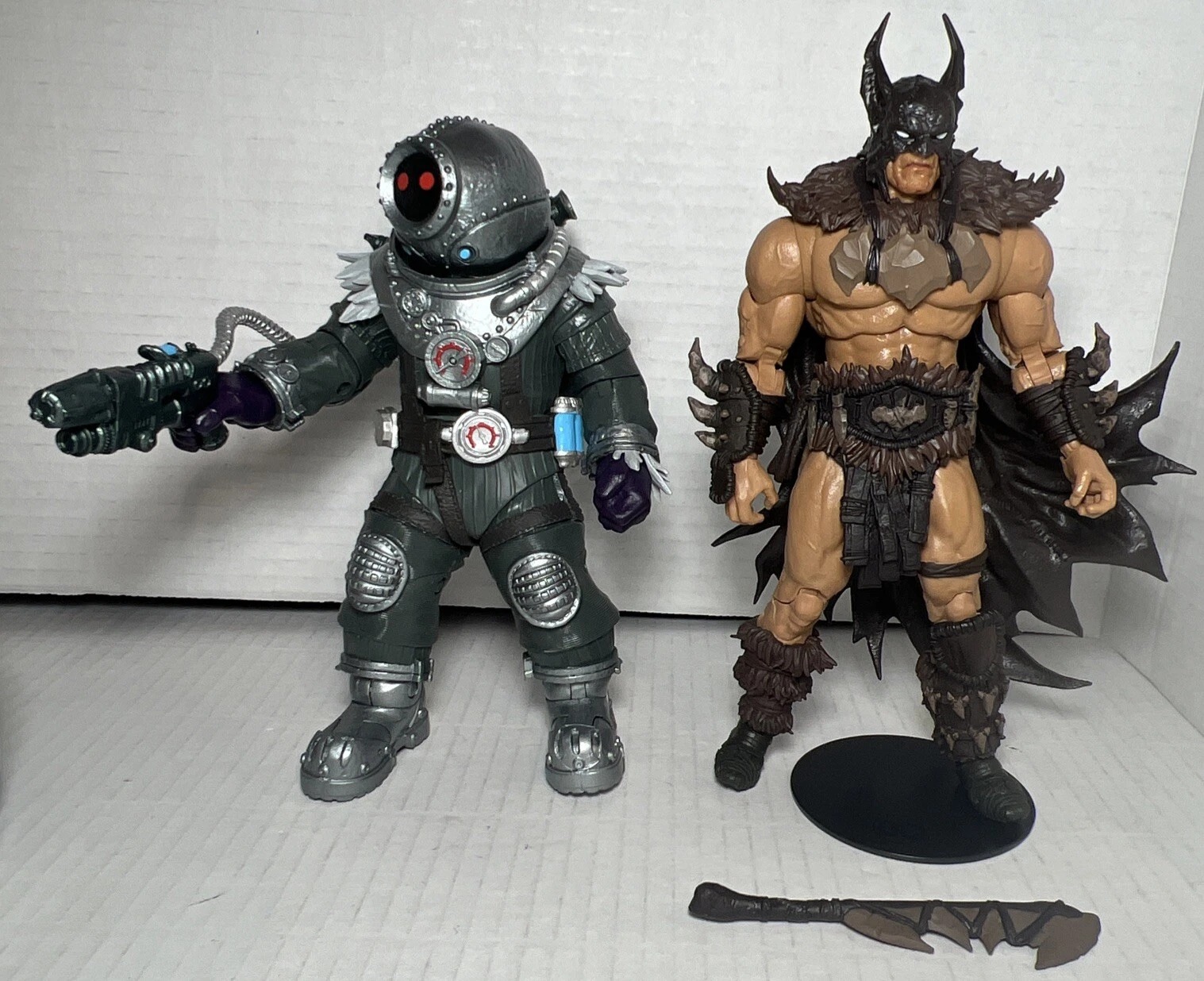
8. Bundle Listings Can Be Sneaky Good Deals

Bundles often scare off buyers who only want one figure, but that’s where opportunity lives. By having flexibility about what you pick up, you gain access to some of the best deals eBay has to offer.

Sometimes you can get a bundle, keep the figure you want, and resell the rest to recover a significant portion of the cost. Crunch the numbers to determine if the effort is worth it to you.

This works particularly well for army builders, partial waves, or figures with desirable accessories.
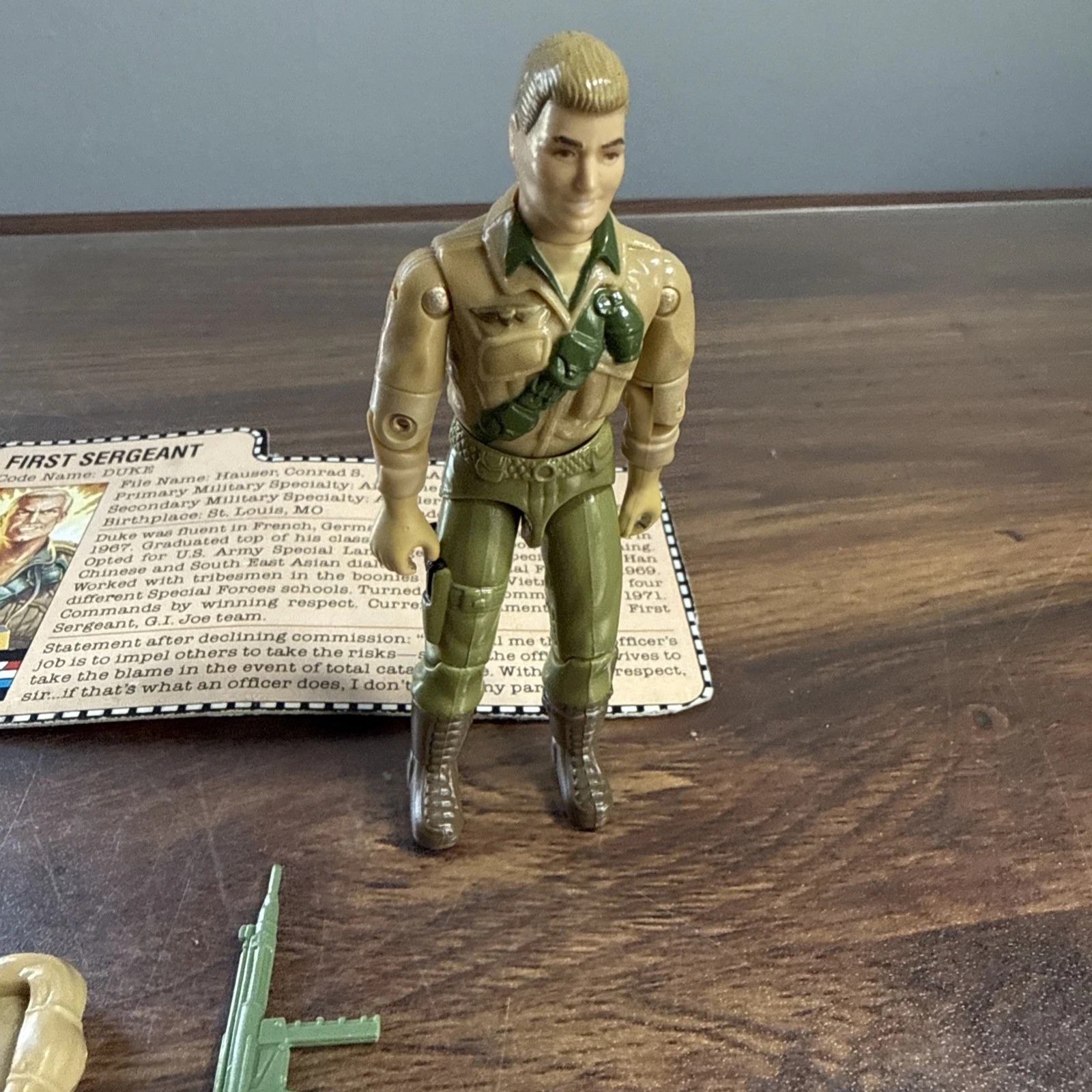
9. Factor in Shipping and Import Fees

eBay sellers have wildly different approaches when it comes to shipping. Some opt to price their figures a bit higher and include free shipping, while others try to entice you with an incredible bargain until you see the ludicrous shipping fee.

A great deal can quickly turn sour for large boxes or when it’s an international seller. Always check:

  • Shipping cost
  • Location
  • Potential import fees or taxes

For Canadian collectors especially, a “cheap” U.S. listing can quietly become more expensive than a domestic option once all costs are included. Keep an eye on those exchange rates.
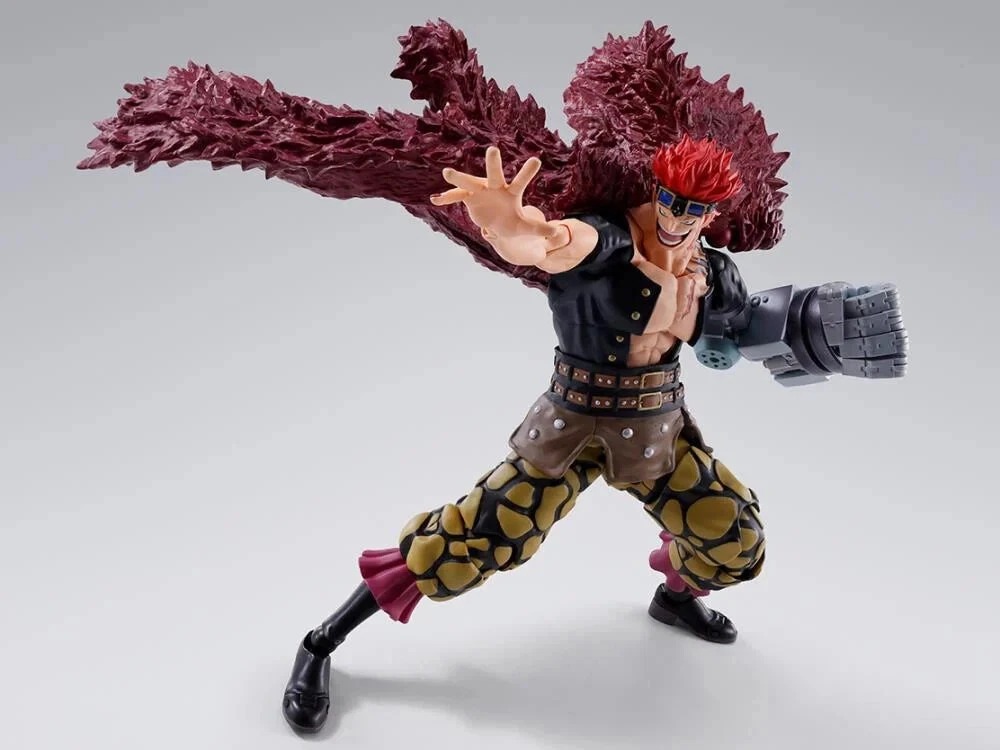
10. Patience Is a Strategy

The biggest mistake collectors make on eBay is assuming that the window of opportunity is closing or that this is their last chance. It seldom is. Prices fluctuate, hype fades, and new listings appear daily.

If the cost doesn’t line up with what you’re getting, pause and listen to your instincts. Overpaying has a way of coming back to haunt you.

Unless a figure is truly rare or time-sensitive, waiting a few weeks, or even months, can pay off. The best deals often go to collectors who are informed and unhurried.
Conclusion: The Real Win

Scoring action figures on eBay isn’t about luck. It’s about awareness, restraint, and knowing what to look for. Experiment with searches, study photos like a detective, understand terminology, and confirm contents. Always protect yourself by choosing sellers with the best practices and return policies.

And here’s the payoff for making it to the end: The best eBay finds don’t just save you money—they erase regret. That figure you passed on? The one you thought was gone forever? With the right approach, it can still land on your shelf. Patience can sometimes grant you a grail figure in better condition, and at a better price, than you ever expected.

Happy hunting.
10 Tips for Scoring Retro Games on eBay

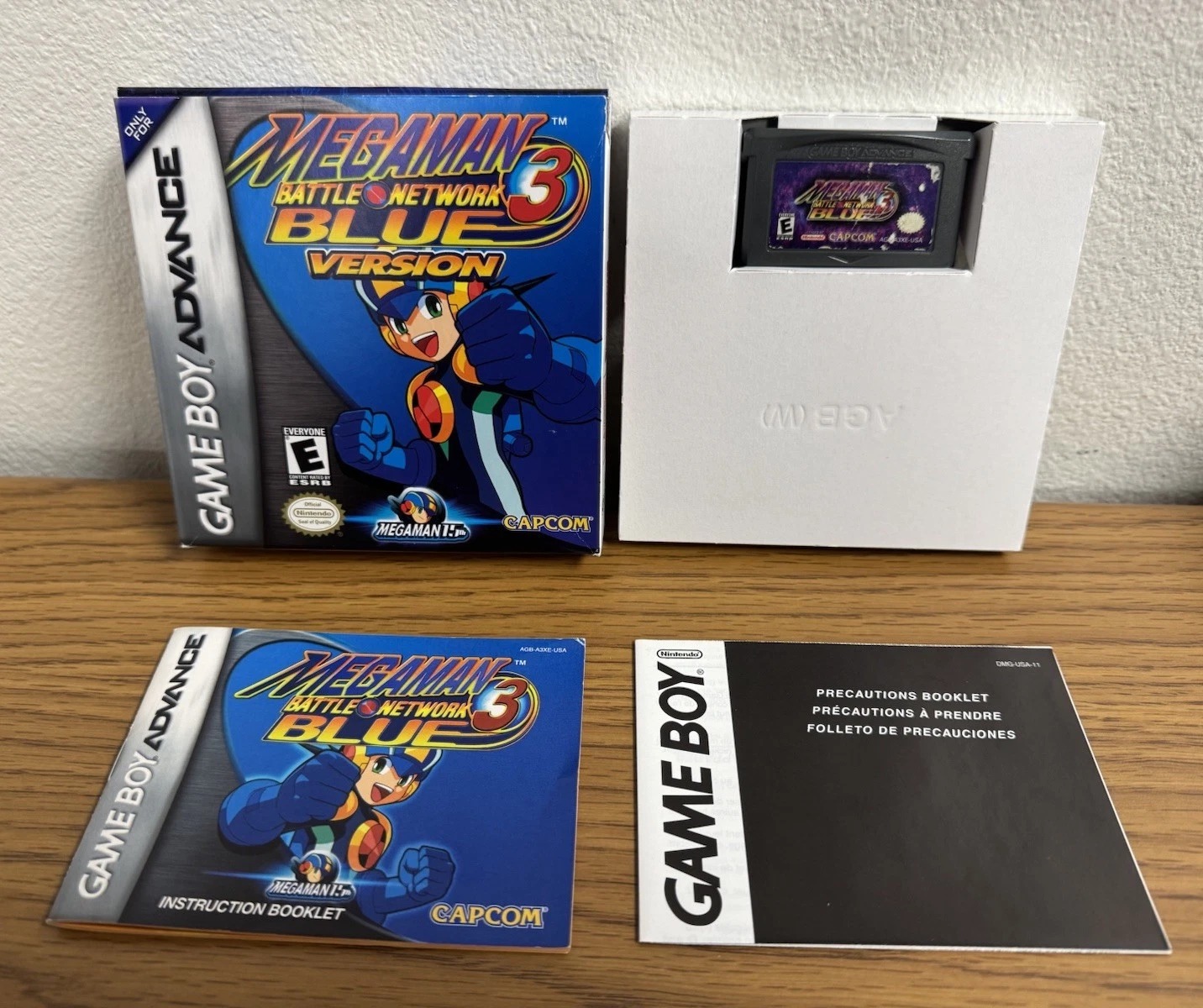
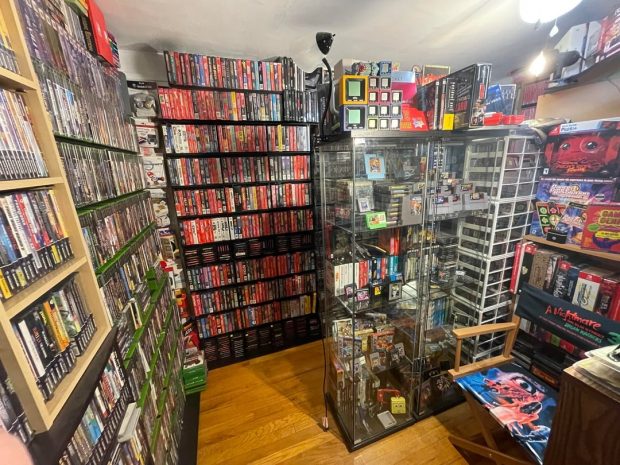
Ever dream of replaying GoldenEye 007 on N64, decades after your cousin never returned the cartridge? Or maybe you’ve beaten Final Fantasy VII for the tenth time and want a copy in pristine condition as your trophy.

Plenty has changed in the tech world in recent years, but one thing hasn’t. eBay is one of the best places to hunt down retro video games.

Sure, it’s possible some lucky individual just got the deal of the century on Streets of Rage 2 at a garage sale, but you can’t beat the convenience of eBay. The platform’s huge global marketplace makes it possible to find almost any game that’s currently hitting your nostalgia button the hardest, if you know how to look.

But here’s the thing: there’s more to buying collectibles than clicking “Buy It Now.” It takes a little skill, patience, and strategy to score the best deals. Whether you’re chasing a few favorites or building a serious collection, these 10 tips will help you win more auctions and stretch your dollars further.

1. Be Well-Informed on Price Going In

Before you bid, dive deep into the “Sold Listings” filter. It shows what games have actually sold for, not just what sellers are asking. That’s how you know if Pokémon Red Version really goes for $60, or if someone’s just dreaming big.

To get broader data on prices, also have a look at PriceCharting. It aggregates data from completed sales on Amazon and eBay and separates them according to condition. If you look at collecting as an investment and want to understand where the games market is moving, the historical price charts are invaluable.

2. Save Searches and Use Your Watchlist

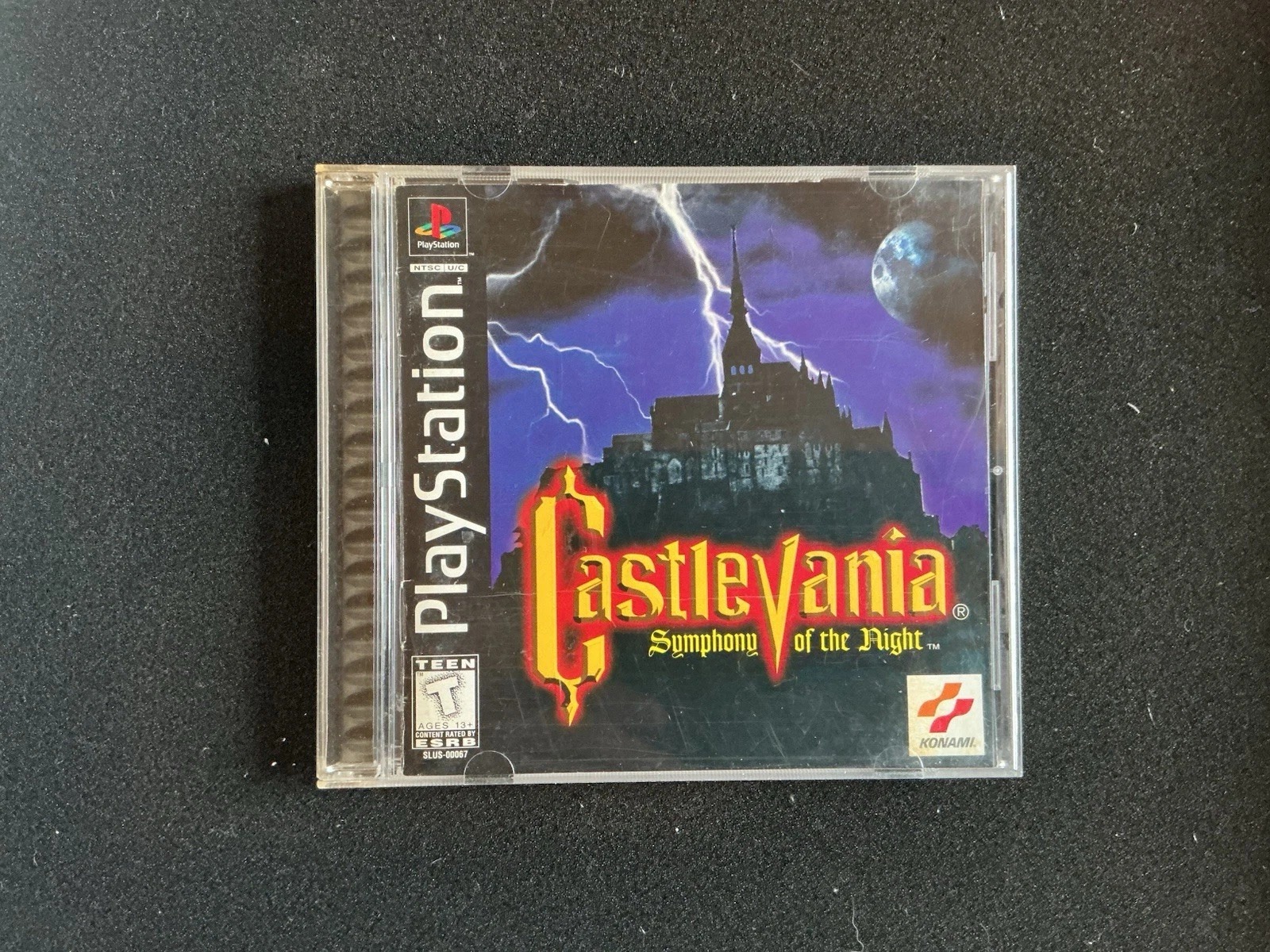
One of eBay’s most underrated tools is the “Saved searches” feature. It’ll ping you whenever new listings match your criteria, so you can act fast. Whether you’re after Castlevania: Symphony of the Night or just searching “SNES lot,” alerts help you catch new deals before anyone else.

Sometimes, memory doesn’t serve us as well as we think it will when doing a comprehensive search. It can be tricky to find certain auctions again. What’s available on eBay is always evolving, so it’s a good idea to add listings to your Watchlist so you have an overview of your options.

3. Experiment with Search Terms

Different sellers list items in wildly different ways. One might post Super Mario Bros. 3 (NES), while another just adds Mario 3 to their title and calls it a day.

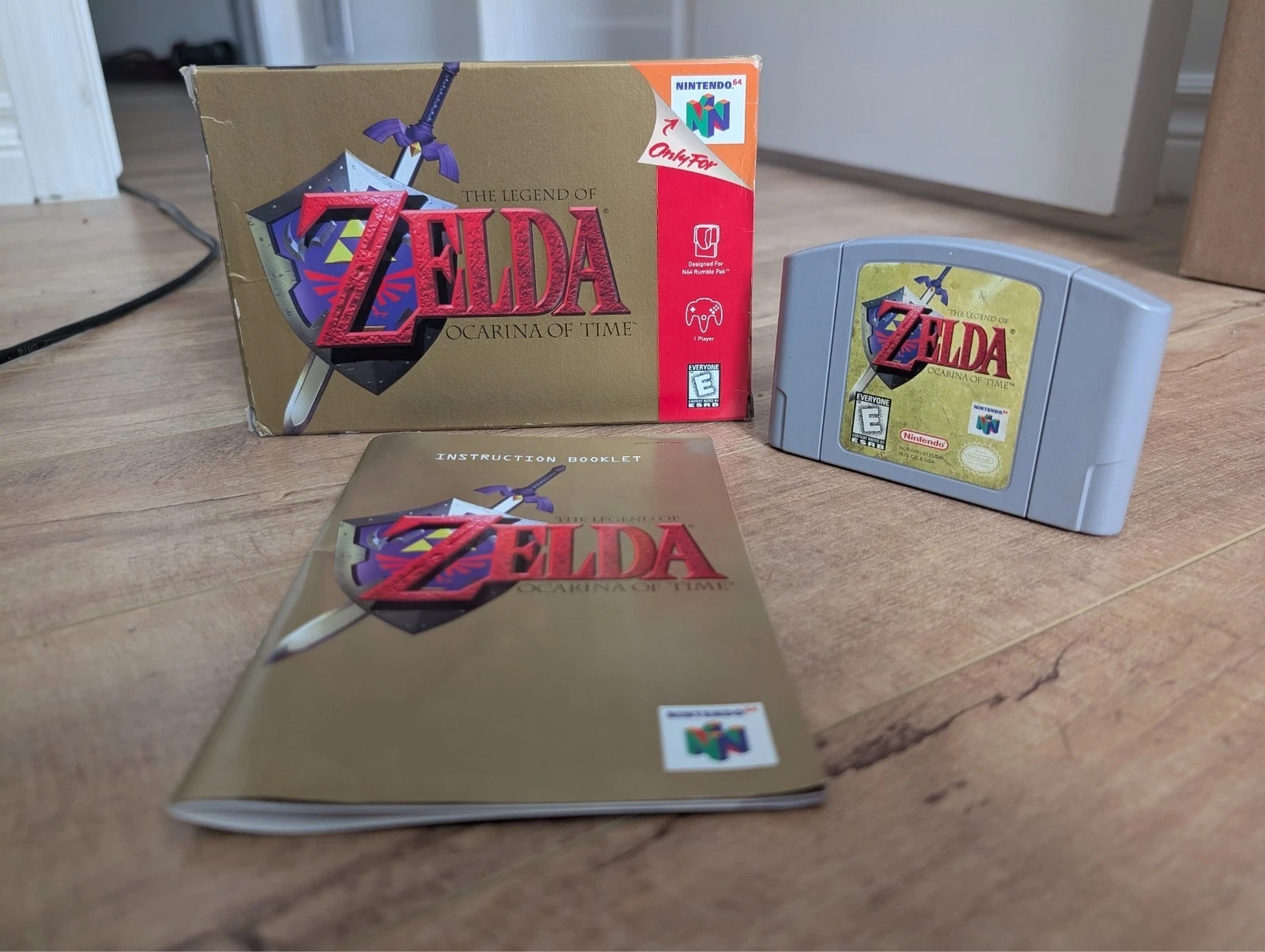
Try variations, abbreviations, and common misspellings. You’d be surprised how often a “Zelda Occarina of Time” listing slips under the radar. TypoHound automatically generates the most common spelling mistakes for you. Give it a go here!

You can also mix and match phrases like “CIB,” “manual,” or “bundle” to see what surfaces. Experimenting with your searches can uncover hidden gems that other buyers never even see. Plus, auctions with fewer views are more likely to sell for less.

4. Auctions Usually Offer the Best Deals

If you don’t mind a little suspense, auctions are where the best deals often live. Some buyers skip them in favor of instant purchases, which means less competition for you.

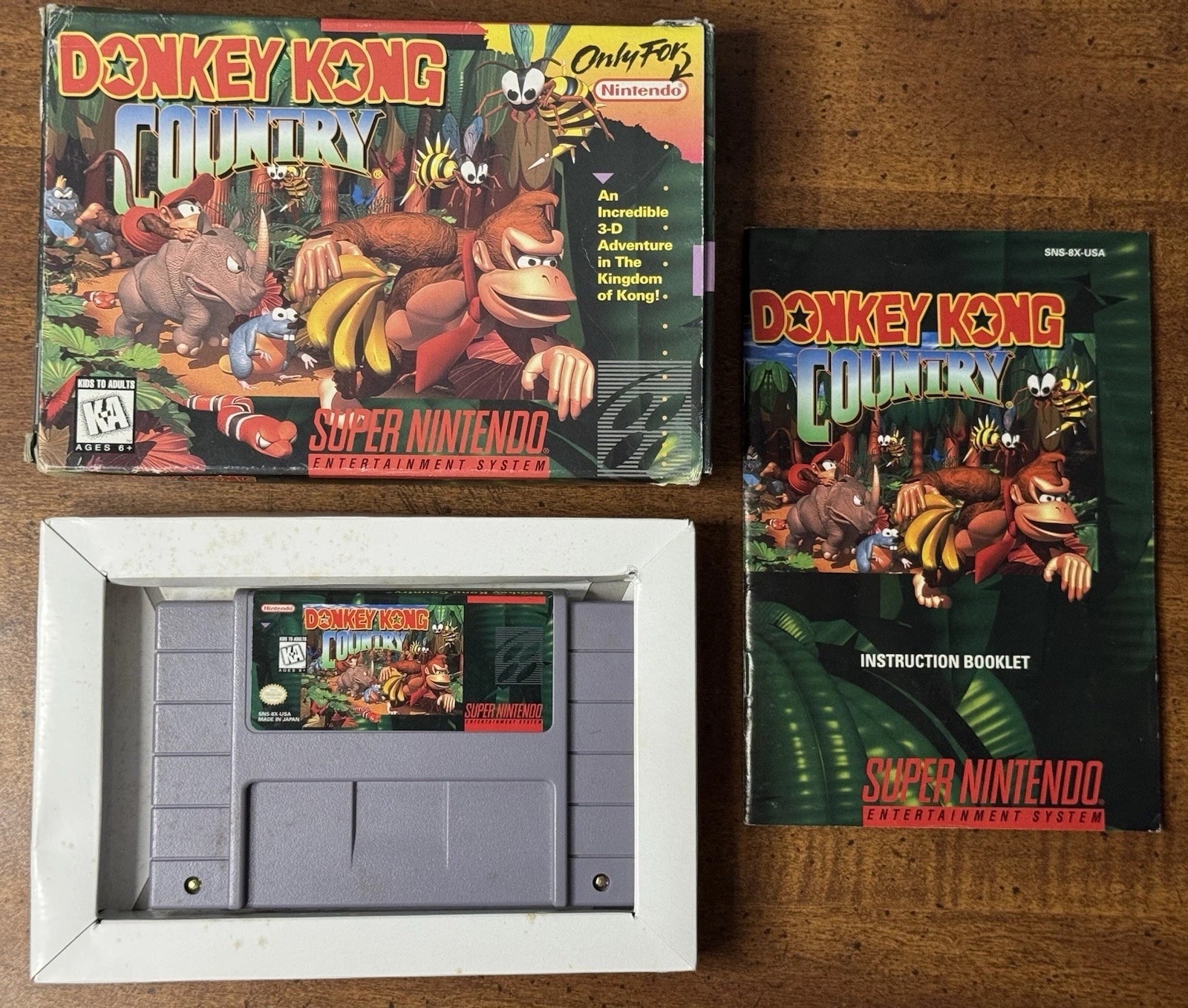
Keep an eye out for auctions that end at odd hours, like midnight on a Tuesday, when fewer people are online. That’s when you might score Donkey Kong Country for a steal.

5. Study Photos Like a Detective

A game’s photos tell the real story. Zoom in on labels, corners, and cartridge edges. Look for sun fading, scratches, or signs of fake labels. Listings that only show stock photos? That’s usually a red flag. Always go for clear, well-lit images shot from multiple angles.

Keep in mind that the condition that the seller chooses in their listing doesn’t always align with the expectations of collectors. This becomes even more evident when you search with terms that describe the games’ condition. Take it with a grain of salt and take the time to look at listings with titles that aren’t salesy about being cleaned, authentic, or in excellent shape.

6. Read Descriptions Carefully

Descriptions on eBay are all over the map in terms of length and the usefulness of the information. Policies regarding returns, refunds, and combined shipping differ from seller to seller.

It’s easy to miss details like “reproduction box” or “manual not included.” Read everything. Ask the seller questions if something isn’t clear. It’s worth the few extra minutes to avoid disappointment later.

7. Check the Seller’s Feedback

High feedback scores and a history of selling collectibles are good signs. A few negatives aren’t the end of the world, but if you see multiple buyers mentioning fake games or bad packaging, it’s best to steer clear.

You may want to give new sellers a shot! Collectors have reported good luck with buying from new sellers as many are looking to move their inventory for a good price and build their reputation by getting feedback from happy customers.

8. Be Patient with “Buy It Now” Prices

Some sellers list high and wait. Don’t bite right away. Add the listing to your watch list. If it doesn’t sell, the seller may drop the price or send you a private offer later. A little patience can save you a lot of cash.

Waiting also opens the possibility of new auctions popping up, and auctions typically offer better prices. It’s easy to fall for the trap that a rare game in great condition must be snapped up now, but one just like it might appear before you expect.

9. Look for Game Lots

Game bundles, often called “lots” on eBay, are perfect if you’re building your collection fast. In many cases, these sellers are looking to unload their entire collection in one go.

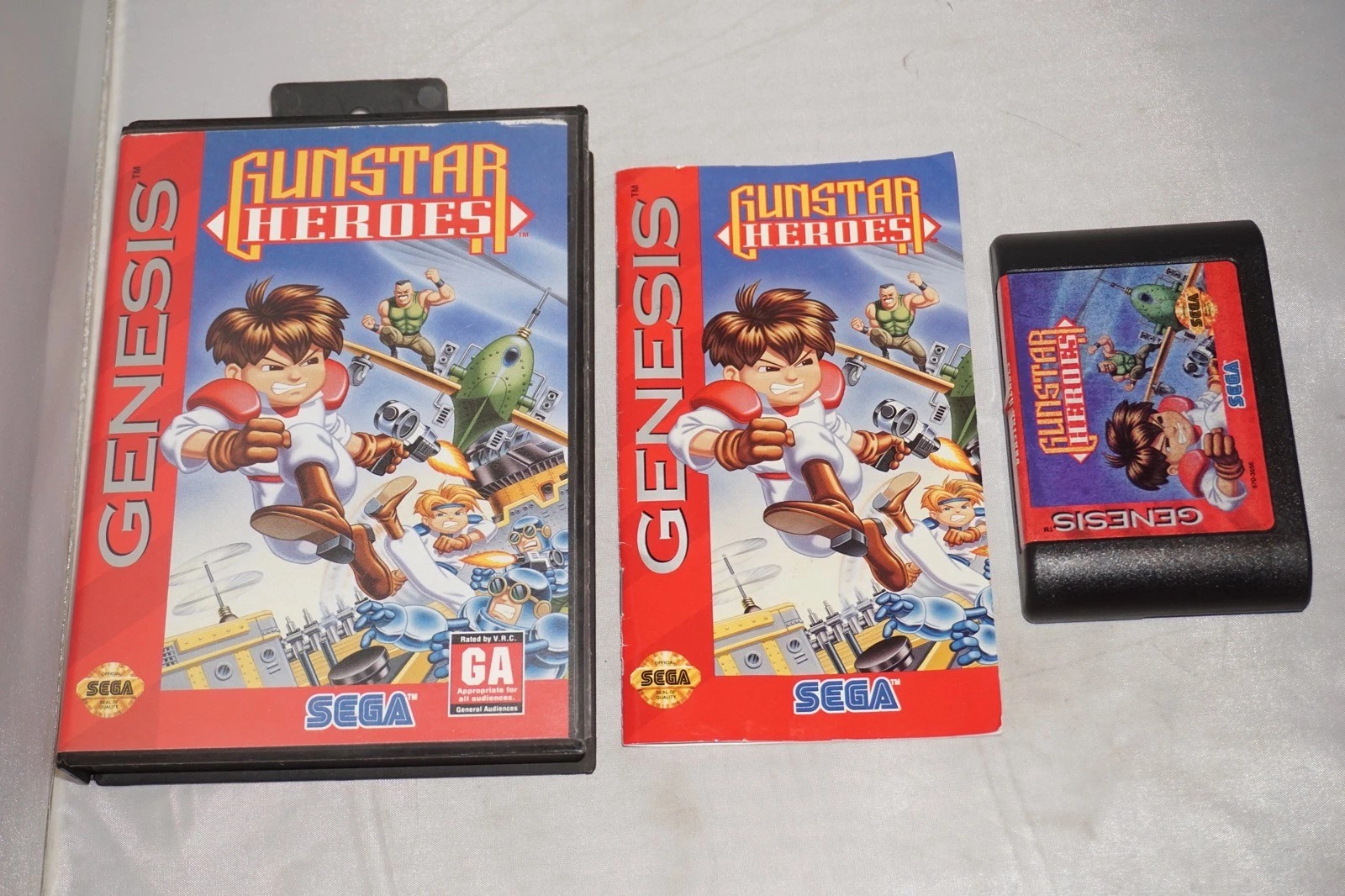
You might grab a stack of Genesis or Game Boy Advance games for less than buying them individually. Instead of paying shipping on every game, you’ll get a starter set that only needs to be shipped once. You’ll get duplicates sometimes, but those can easily be resold or traded.

Some collectors enjoy the hunt more than playing the games! However, if you just want to dive into reliving your childhood memories, game lots are a great option.

10. Always Factor in Shipping and Condition

That $20 deal can lose its shine when the shipping costs as much as the game or the disc arrives so scratched it looks like Freddy Krueger used it as a frisbee. Double-check the total cost and the item’s region before you buy. Sometimes it’s worth paying a little more for a seller who ships securely and quickly.

Again, PriceCharting is your friend. If you are wondering whether to go with a game in very good or excellent condition, check PriceCharting to confirm if the premium is worth it.

Build Your Dream Collection, One Game at a Time

Hunting for retro games on eBay is half treasure hunt, half nostalgia trip. When you mix patience with smart searching, you’ll unlock memories that make your inner kid smile.

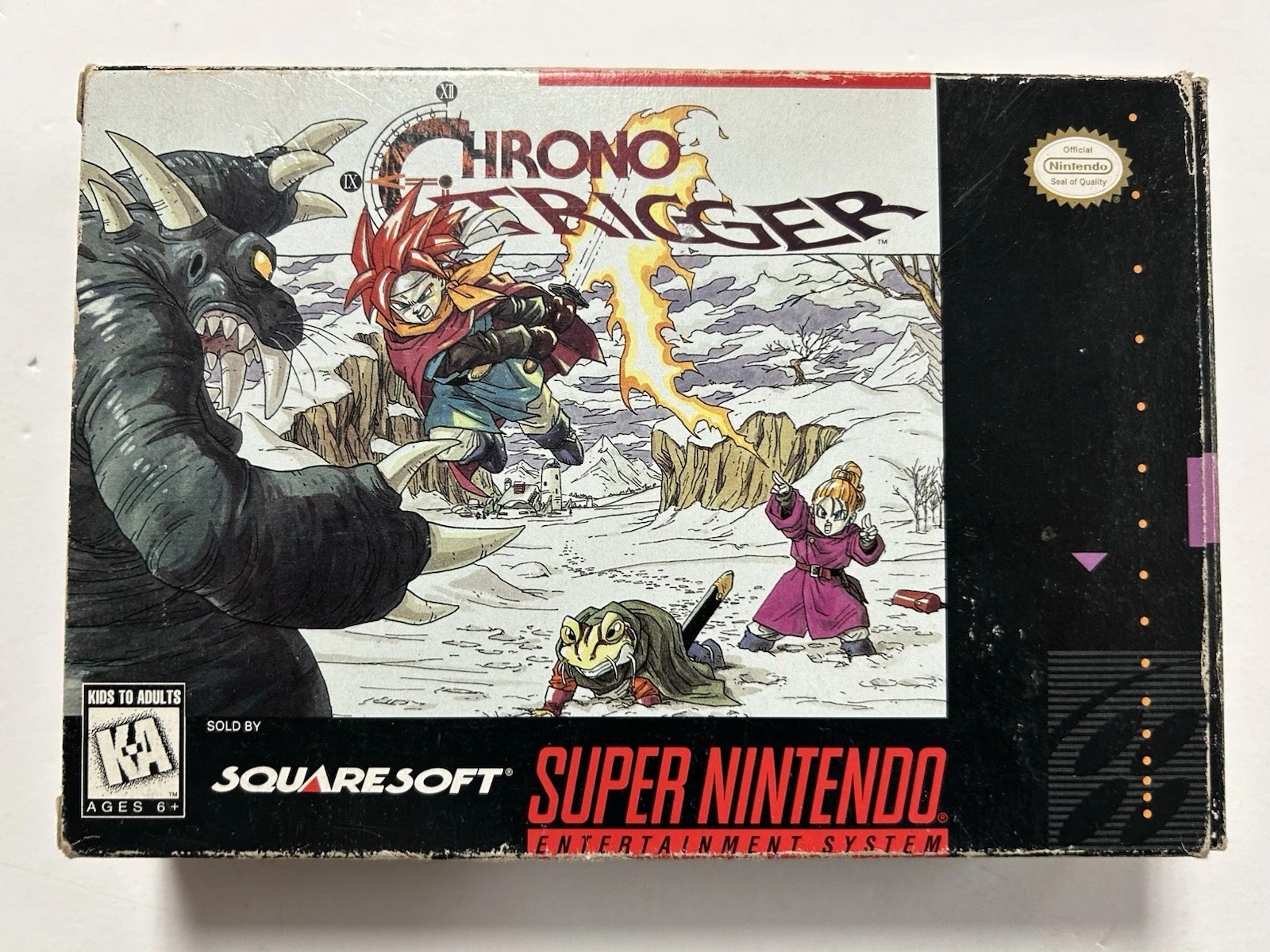
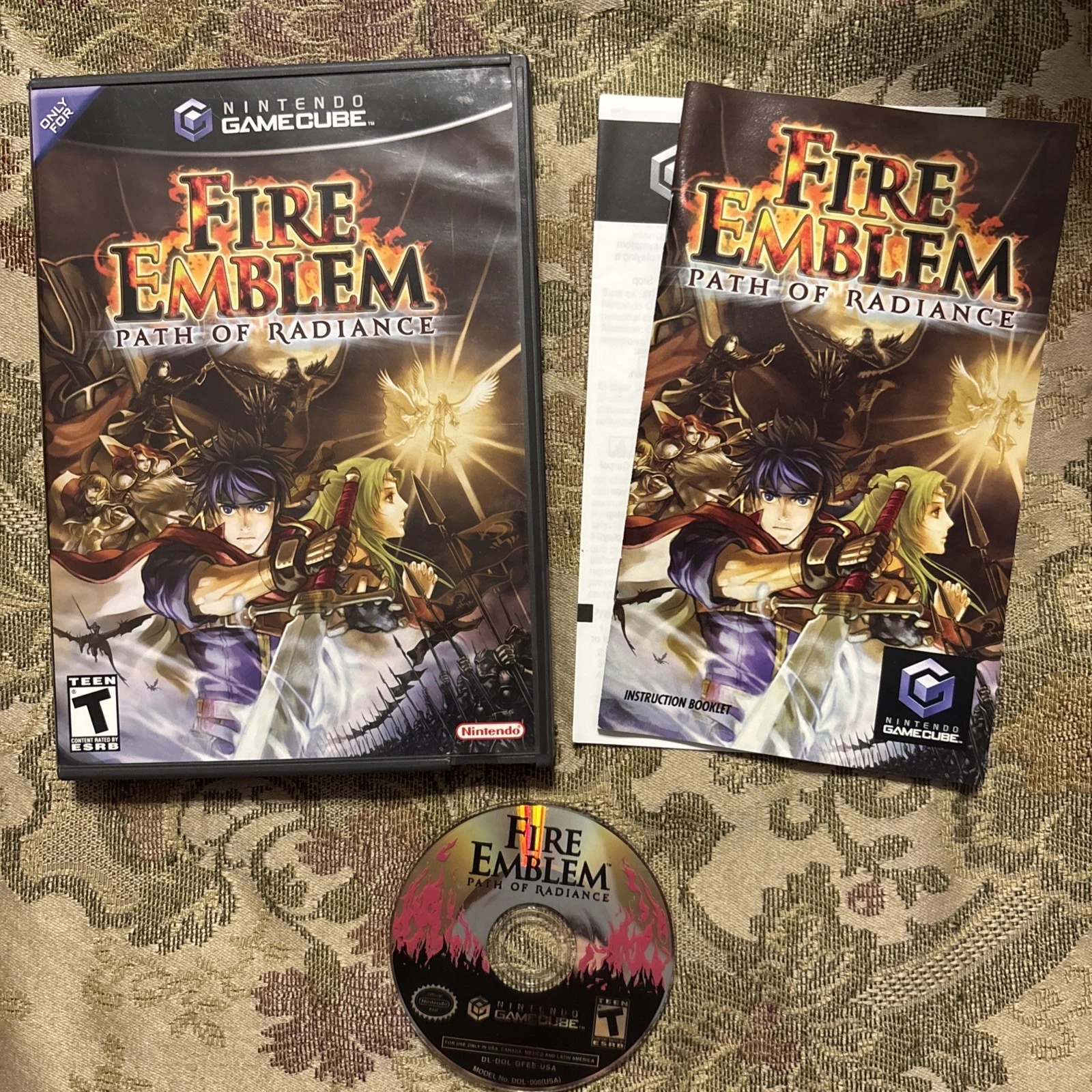
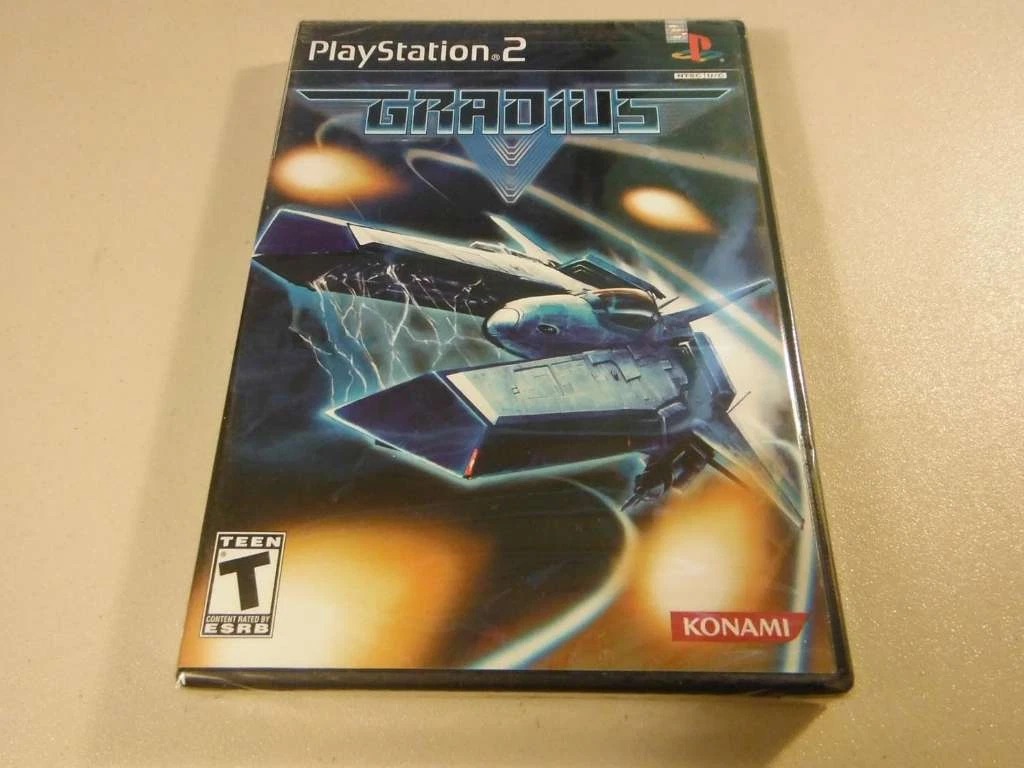
Whether you’re tracking down Chrono Trigger, rebuilding your old GameCube library, or chasing the thrill of finding a rare edition of a PS2 game, remember — there’s no rush. You can build your dream collection one score at a time. Plus, you may find that winning eBay auctions is a fun game itself.

Resell Kijiji and Craigslist items on eBay for a profit!

I’ve written about how you can find poorly listed eBay auctions with typos, buy cheap then resell at a higher price, again on eBay.

Today we’ll look at the more traditional method of buying in the real world, then listing the item for sale online.

Priced low enough, buying what you don’t want or need on Kijiji, Craigslist, at a flea market, or even garage sale may be the best purchase you can make! It will be that much easier to promptly list it on eBay and make a tidy profit for your trouble.

The trick here is the item must have enough potential for profit when you factor in your own time. You can estimate what the selling price will be with some quick research on eBay, which I will describe in further detail later.

Why it works

The bidding system on eBay is an economic marvel, as people will pay what an item is worth to them, and sometimes it’s vastly different than you’d expect. This is when the worlds of “real” versus perceived value collide.

If a product is rare or sold out everywhere, even the manufacturers are surprised and often disapproving of the sky-high prices their products sold for via auction. Perhaps they’re wishing they sold it on eBay themselves?

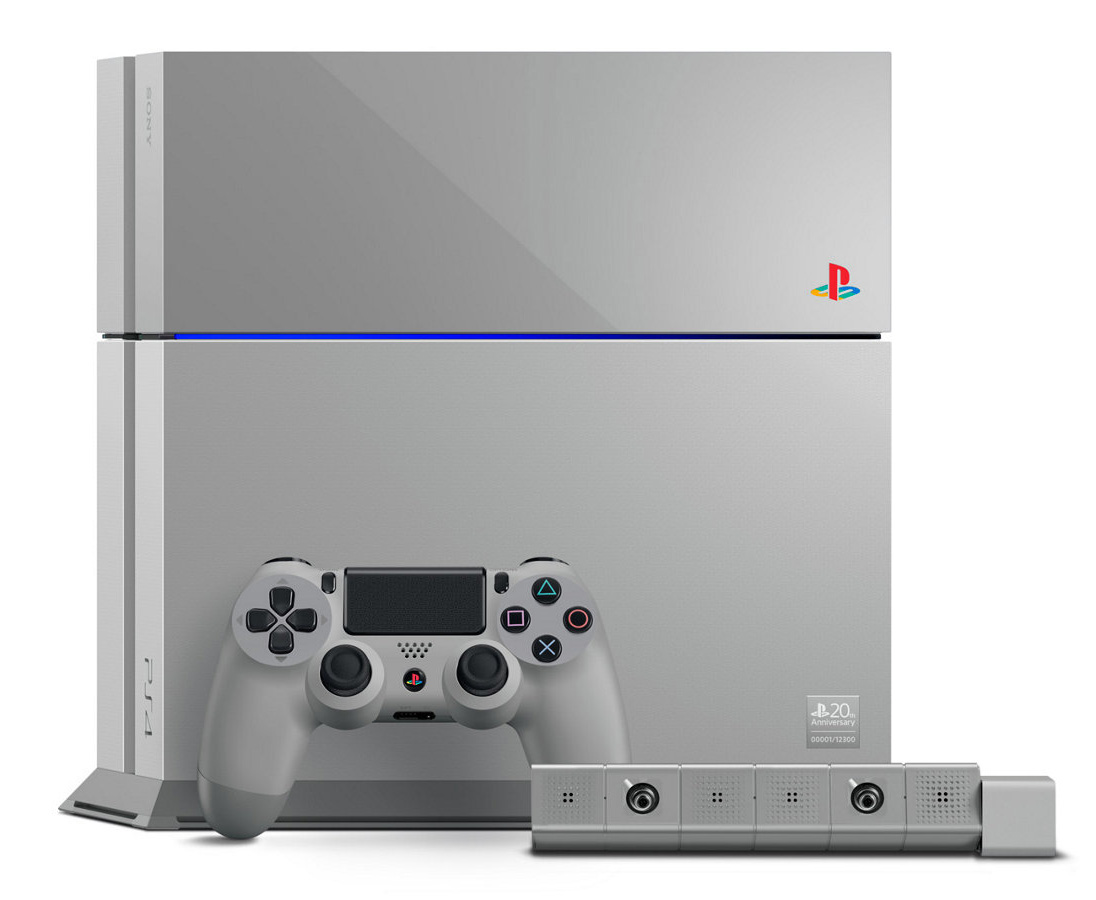
“That’s not what we want to see happen,” said a Sony exec when their limited edition 20th Anniversary PlayStation 4, styled after the original PS1, sold for thousands on eBay. One went for $20,100, while another had a final bid of $15,100. 12,300 individually numbered units were made. It originally retailed for $500.

How to research an item before buying

An important and too often overlooked step is research. Listening to your gut can bring you entirely off base, as your perception of an item’s value may fall outside the average. What you need is objective data to make an informed decision.

Every marketplace gets different results, so as you plan to sell on eBay you’ll need to know real world prices auctions have sold for in the past.

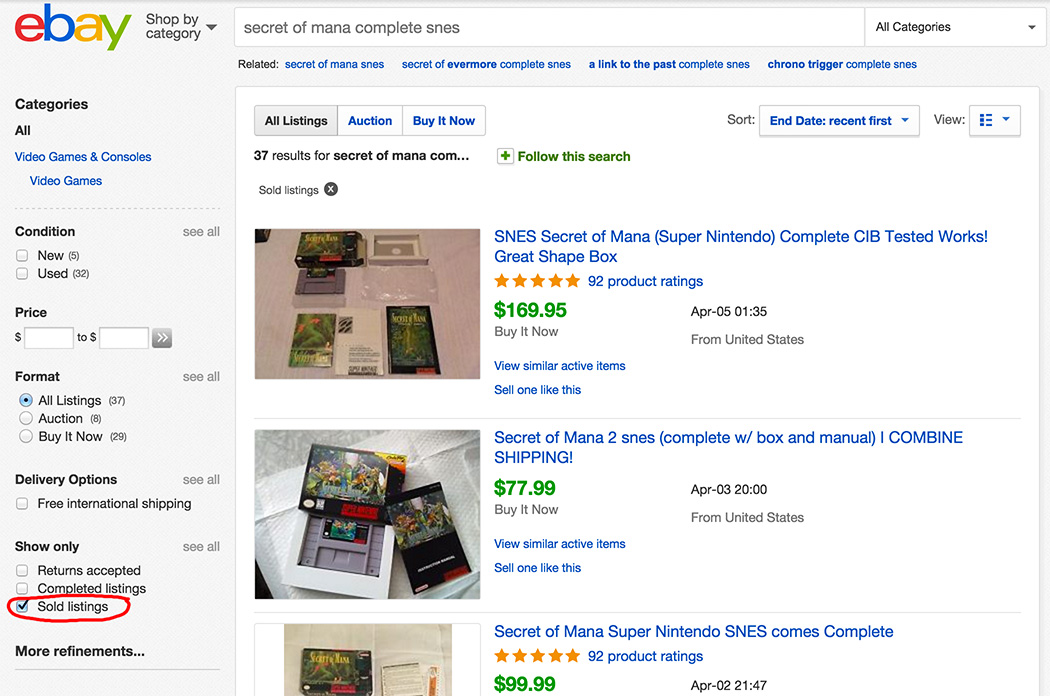
Let’s say you come across a stack of retro game cartridges at a garage sale and you spot The Secret of Mana, one of the most collectable SNES games.

To check the price it’s sold for in the past, visit eBay, type in the name of the item, then check “Sold listings” under “Show only” in the sidebar. You’re only interested in what an item actually sold for because there are too many folks trying to sell items for more than it’s worth and you can’t let this cloud your judgment. Prices may vary greatly depending on sheer timing, location of the item, and the quality of the listing. It never hurts to err on the side of pessimism so you’ll only take risks truly worth taking.

Instant karma

Some people are in a tough spot and need their items sold quickly or simply lack the patience or knowledge to sell items for the highest price possible. In many cases you can offer Kijiji or Craigslist sellers a fair price and still make cash on the resale of an item, so if possible try to make every deal win-win for everyone involved for extra karma points.

eBay no longer fun? Try using some auction tools

Yesterday, an article written by Keith Rabois was posted on seekingalpha, slamming eBay for not being fun anymore. “Where Did All the Fun Go?”, the headline asks.

Most often, people blame eBay’s decay on factors like the weakening economy, the rise of Amazon, as well as eBay’s own inefficient search functionality. But the real and simple reason is eBay is no longer fun. Over the years, it has lost online ground and eyeballs to pure entertainment destinations such as YouTube and social networking sites like MySpace and Facebook.

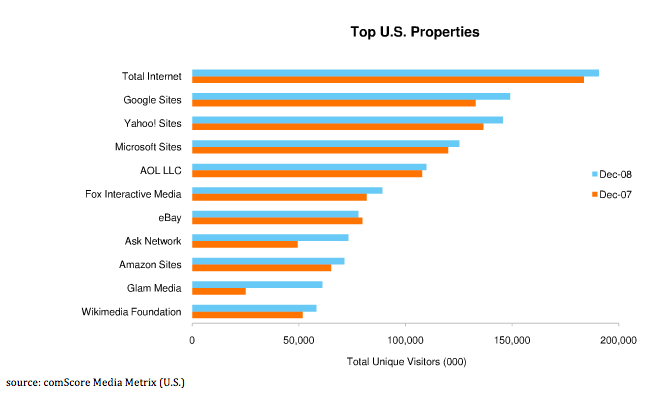
To help push this argument home, various traffic research graphs illustrate how eBay’s traffic has slowed down (see the most recent example below, comparing 2007 and 2008). While the internet as a whole grew, eBay shrunk.

saupload_top_us_props

In the first quarter of 2004, almost 50 percent of the entire U.S. Internet population visited eBay every month. By 2008, eBay’s visitors accounted for only 1.5 percent of total minutes spent online.

Still, I fail to see how less traffic necessarily means online auctions are not as fun as they used to be to the average person.

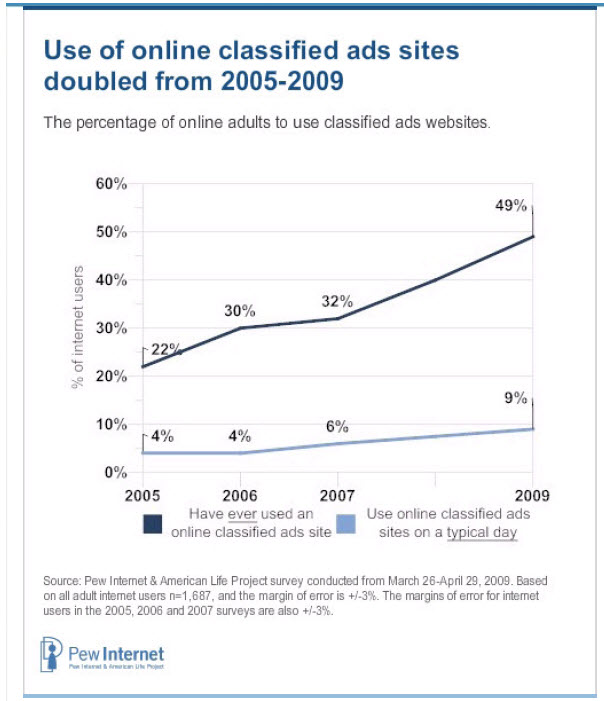
In a similar (and more convincing) article, Scot Wingo blames online classified sites such as kijiji or craigslist for eBay’s dwindling popularity.

pew-classified-adsNewspapers were losing classified revenue to eBay hand over fist in 2000/2001, as eBay gave people a much easier way to sell their items. The Pew Internet Project released a report, showing that classified sites (mainly craigslist), have doubled in usage between 2005-2009.

Was it just social networking and free online classified ads that led to the decline or is there more to this?

Has eBay become just another dull shopping site?

Perhaps eBay was more fun in 2000 because it was relatively new. For many at the time, buying online was a fascinating new possibility and the fact it was an online auction made it more exciting.

One user commented that sniping tools have taken the fun away. “You are battling a competitor you’ve fought a number of times before–and someone comes in 5 seconds before the end of the auction with a computerized snipe taking it away from both of you.”

Sure it sucks being sniped when you lose. But how about when you win? For web savvy surfers sniping tools are great since they allow you to set the maximum bid and forget about it. One reason eBay isn’t getting as much traffic, is because snipers don’t have to keep visiting the auction, refreshing their browser and staring at a clock.

Less time on eBay might simply mean surfers have become more efficient with the use of numerous online tools. In my eyes, the tools make eBay a more exciting place to visit all over again.

Find Hidden Deals on eBay now!